Cities
Those Leaning Houses in Amsterdam Are Mostly Leaning on Purpose
A lot of canal houses tip forward a few centimeters. The builders planned it. The sideways lean is a different story.

Cities
In 2012, librarians moved hundreds of thousands of old manuscripts out of a city that was about to be taken.
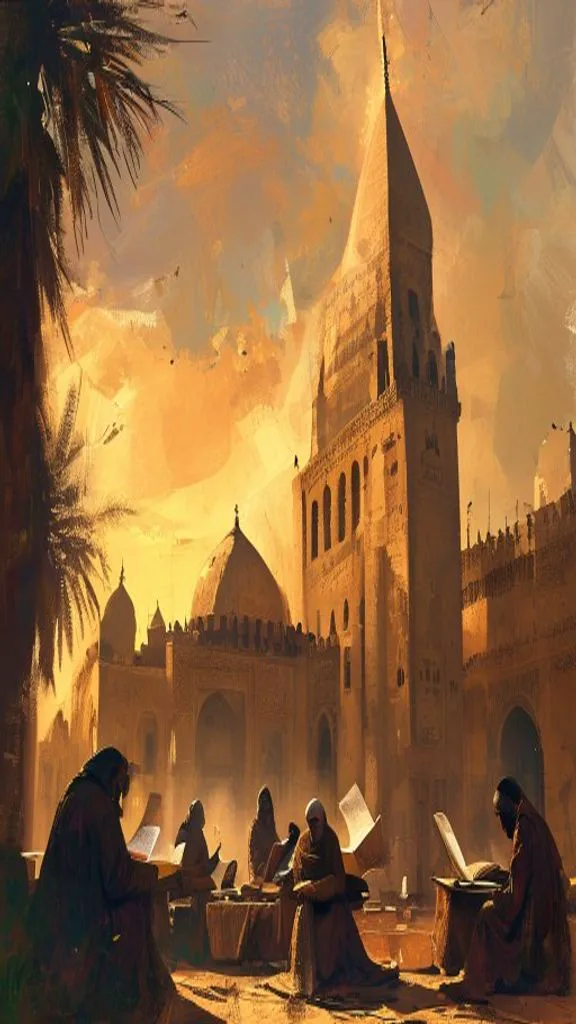
They moved the books at night, in metal trunks, and they were careful not to look like they were moving anything at all.
The books were manuscripts, written by hand, some of them hundreds of years old. They came from Timbuktu, a city in Mali at the edge of the Sahara. Today it's a quiet place. Seven hundred years ago, it was one of the busiest stops on Earth. Camel caravans arrived from the north with salt and left with gold from the south, and the traders who passed through brought something else along too: a taste for books.
By around 1500, Timbuktu was a city of scholars. Students came to study near the Sankore mosque, which also worked as a university. They copied texts by hand and wrote their own, on astronomy, medicine, law, mathematics and poetry. Most are in Arabic, and some are in local languages written in Arabic letters. Families collected the pages, and the collections stayed in the family for generations. Some were kept in fine libraries. Others sat in chests, or were wrapped and hidden in cellars. They were treated like what they are: treasure.
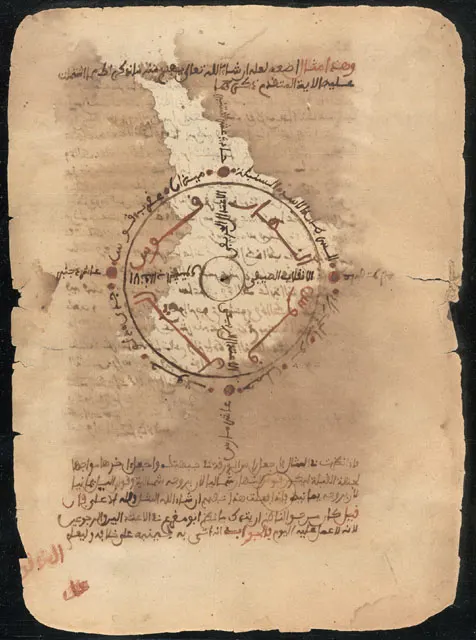
Nobody knows exactly how many there are. Estimates for Timbuktu and the area around it run from a few hundred thousand to something like seven hundred thousand.
In 2012, armed groups took control of northern Mali, including Timbuktu. They destroyed some of the old tombs in the city, and everybody understood that the books might be next. A librarian named Abdel Kader Haidara, who ran a library his family had built up over centuries, decided not to wait and see.
He and his helpers asked the families that owned the manuscripts to let them be moved. Then, little by little, they packed them into metal trunks and sent them out of the city. Some went by car and some on donkey carts. Some went by boat along the Niger River. Their destination was Bamako, the capital, around a thousand kilometers away. It was a long trip, and a risky one.
A book about it, by the journalist Joshua Hammer, says about 350,000 manuscripts were smuggled out this way. Not everything made it. Parts of the collection were lost in a fire at one research center, the Ahmed Baba Institute, though by then a large part of its holdings had been taken away.
Saving the books was only the first job. Old paper is fragile, and every hand that touches it leaves a little behind. Since then, people have been cleaning, storing and scanning them so they can be read again.
The man at the center of it was a librarian, and he did it with trunks, donkey carts and a lot of people who kept a secret.
Cities
A lot of canal houses tip forward a few centimeters. The builders planned it. The sideways lean is a different story.
Cities
Gustav Vigeland made more than two hundred sculptures for one park, and the city got all of them.
Cities
The Vasa was the grandest warship in Sweden. It sailed for less than a mile.

Cities
For decades, getting home in Medellín's Comuna 13 meant climbing the equivalent of a 28-story building. Then the city did something radical — it…