Wild
At 50 Below, This Horse Goes Out for Breakfast
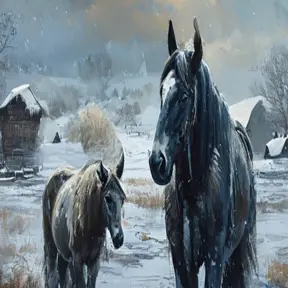
Yakutian horses live outdoors all winter in one of the coldest inhabited places on Earth. Their ancestors arrived there not very long ago.
Wild
Muktuk is the skin of a whale with a thin layer of blubber. It also carries vitamin C.
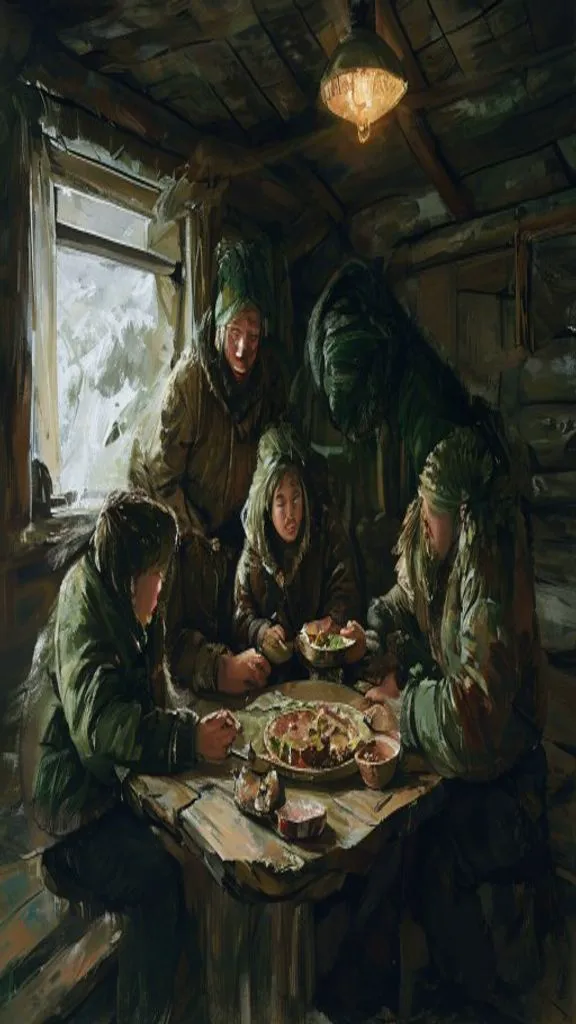
People who haven't tried muktuk usually have strong opinions about it. People who grew up with it tend to think it's just food.
Muktuk is the skin of a whale with a thin layer of blubber still attached. It's eaten in parts of the Arctic: in Greenland, where it's called mattak, and in northern Canada and Alaska. It's often eaten raw or frozen, sliced into small pieces, though it's cooked in some places too. The whales are usually bowheads, belugas or narwhals, hunted by Arctic Indigenous communities, the Inuit among them, who have done it for generations, within limits set for that kind of hunting.
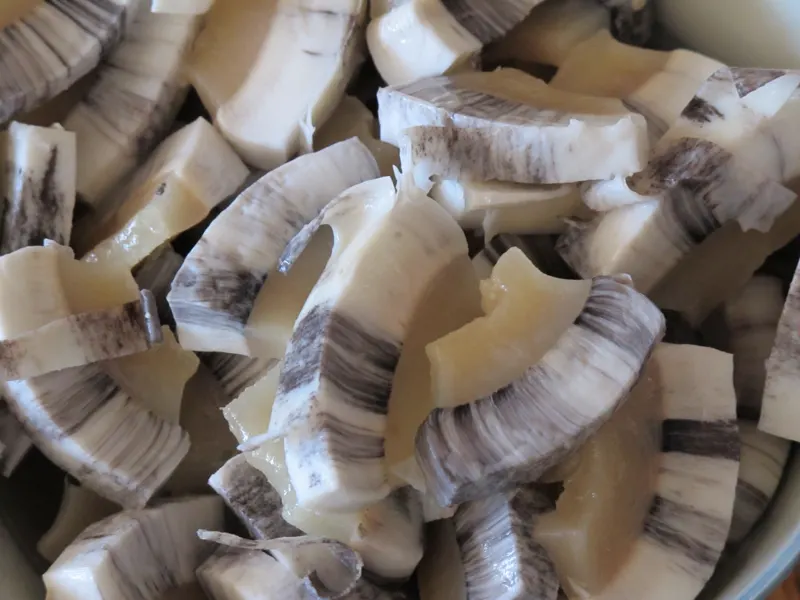
What does it taste like? Ask ten people and you'll get a few different answers. Some say it's a little like fresh coconut, nutty and slightly sweet. It's chewy. A piece takes a while to get through.
The surprising part is the vitamin C. In a place that's covered in ice and snow for most of the year, where not much grows, getting enough of it is a real problem, because it mostly comes from fruit and vegetables. And if a person goes without it for long enough, they get scurvy, an illness that makes your gums bleed and your body weak. Scurvy killed a lot of sailors on long voyages in the age of wooden ships, because they were living mostly on dried and salted food. In 1747 a Scottish naval surgeon named James Lind tried several remedies on sick sailors and found that oranges and lemons worked best.
Many of the European explorers who tried to spend winters in the Arctic had exactly that problem. The Inuit people living there mostly didn't. A big part of the reason was what they ate. Fresh meat and fish, eaten raw or only lightly cooked, hold on to more vitamin C than food that's been salted, dried or boiled for a long time. And muktuk, the skin of a whale, turns out to contain some. How much depends on the whale and on how fresh the skin is, so it's hard to put a single number on it. But it was one of the foods that kept the vitamin in the diet when there wasn't any fruit to be had.
So, in a place where nobody could just go and pick an orange, the whale was the orange.
It's also more than a nutrition fact. Hunting and sharing a whale is a big event in the communities that do it, and the meat and muktuk are passed around so that everyone gets a piece. It comes with its own customs and rules about who gets what, and how.
If someone ever dares you to eat muktuk, remember that's not how it started. It started as lunch.
Wild
Yakutian horses live outdoors all winter in one of the coldest inhabited places on Earth. Their ancestors arrived there not very long ago.
Wild
Pando in Utah is a single clone, joined at the roots. How old it is nobody agrees.

Wild
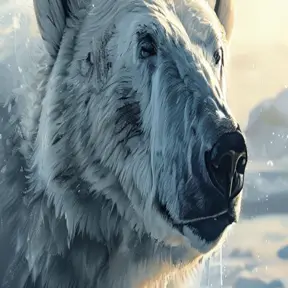
The skin is dark. The hairs are see-through. Once, in a zoo, they turned green.
Wild
Researchers in Seattle wore a rubber mask to trap crows. Years later, the crows still scolded it.