Wild
At 50 Below, This Horse Goes Out for Breakfast
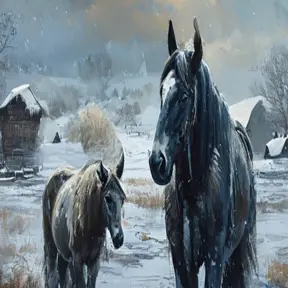
Yakutian horses live outdoors all winter in one of the coldest inhabited places on Earth. Their ancestors arrived there not very long ago.
Wild
Researchers in Seattle wore a rubber mask to trap crows. Years later, the crows still scolded it.
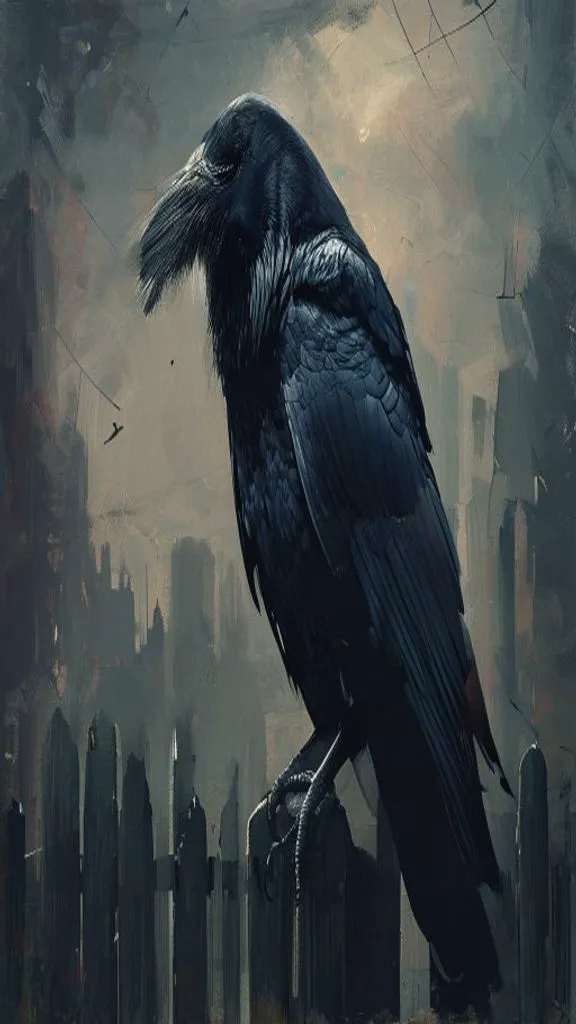
Some scientists in Seattle put on a rubber mask and went out to catch crows.
That sounds like the start of a joke, but it was a real experiment, run by a researcher named John Marzluff and his team at the University of Washington. They wanted to know whether wild crows would remember a person who had been unpleasant to them. So while they trapped and tagged some crows, which is a scary thing to have happen if you're a crow, they all wore the same rubber mask. Then they took the mask off, and went back to just being people.
After that, other researchers walked around the same area, sometimes wearing the "dangerous" mask and sometimes a different, harmless one. The crows paid no attention to the harmless mask. When the dangerous one went past, they swooped, screamed and mobbed it.
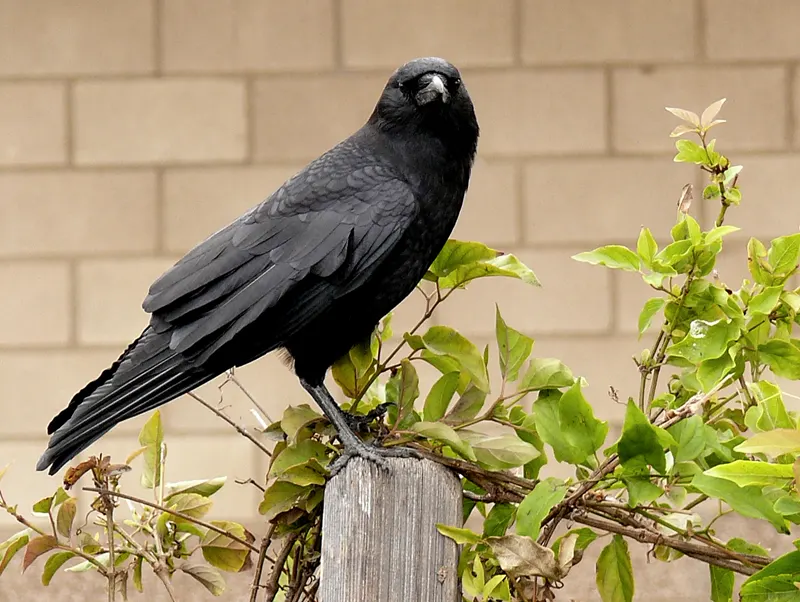
The crows weren't bothered by the fact that it was only rubber. As far as a crow is concerned, a face is a face.
This wasn't a one-time thing, either. The crows kept it up for years. The scolding didn't fade after a few weeks, the way you might expect, and some of the birds were still doing it long after the original event.
What surprised the researchers most was that the scolding spread. After a while, crows that had never been trapped, and had never been near the mask when it happened, started scolding it too. They hadn't seen the first trapping. They'd learned about it somehow from other crows, by watching them, or listening, or being around when it happened. Young crows that hatched later joined in too. Over time, a larger and larger crowd of birds in the area had decided that the mask meant trouble.
That's why people say crows "pass the grudge on." A baby crow isn't born knowing a face. It's more that a crow can learn who to be wary of from the birds around it, the way a child learns from a parent which dog on the street is the one that bites. American crows often live in family groups, and young ones can stay with their parents for a few years, so there's plenty of time for that kind of learning.
Researchers have found that crows and their relatives, like ravens and jays, have very good memories and brains that are big for a bird, packed with a lot of cells. That doesn't mean they're plotting. But they are paying attention, and a crow living near people probably knows quite a bit about them.
So if you ever see a crow on your street yelling at a stranger, there's a decent chance it isn't personal. It might just have heard about them from a friend.
Wild
Yakutian horses live outdoors all winter in one of the coldest inhabited places on Earth. Their ancestors arrived there not very long ago.
Wild
Pando in Utah is a single clone, joined at the roots. How old it is nobody agrees.

Wild
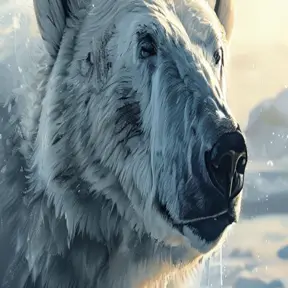
The skin is dark. The hairs are see-through. Once, in a zoo, they turned green.
Wild
Muktuk is the skin of a whale with a thin layer of blubber. It also carries vitamin C.