Earth
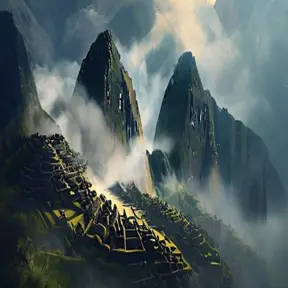
Who Found Machu Picchu? A Farmer Walked Him There
In 1911 an American professor was led up the mountain by a local man. The families who lived there already knew the place.
Earth
A vault in an Arctic mountain keeps spare copies of the world's crop seeds. In 2015 someone asked for some back.
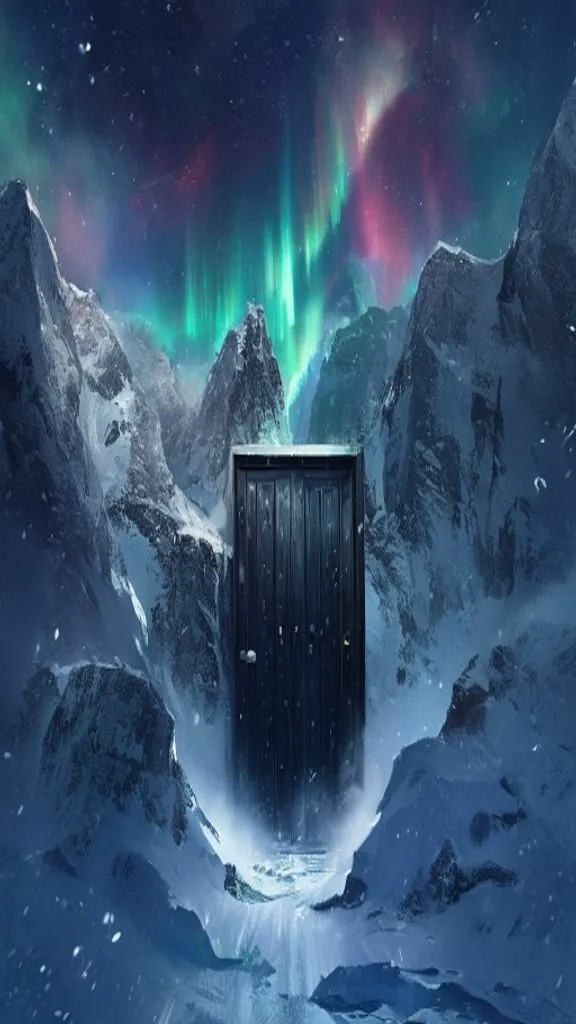
In 2015, a box of seeds made a very unusual trip. It left a vault inside a frozen mountain in the Arctic, headed for the Middle East, and became the first seeds ever taken out of that vault.
To see why that's strange, you need to know what the vault is.
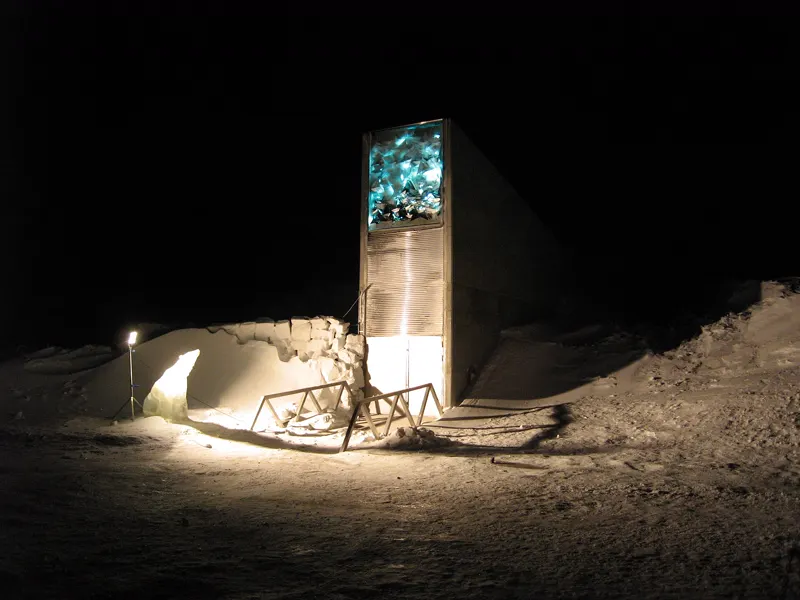
Svalbard is a group of islands way up north, closer to the North Pole than to almost anywhere most people have been. On the biggest island, near a small town called Longyearbyen, somebody dug a long tunnel into a mountain and built the vault at the end of it. From outside, all you can see is a narrow concrete doorway sticking out of the snow. It opened in 2008. Inside, at about minus eighteen degrees, sit more than a million samples of seeds. Each sample is a few hundred seeds, sealed in a foil packet and packed in a box on a shelf.
Why keep seeds in a freezer in a mountain? Because seeds are how crops come back. If a disease wipes out a kind of wheat, or a flood or a war destroys the one building where the only copies are kept, that kind of wheat could be gone for good. Countries and research centers around the world keep their own seed banks. The Svalbard vault holds spare copies of what's in them, rather like a backup of a very important file. The depositors still own their seeds. Norway just looks after the room.
Why there? The mountain is made of rock that stays frozen, so even if the electricity failed, the cold would keep the seeds safe for a long time. It's a long way from most of the places people fight over, and the rock is stable. Also, cold is what seeds like when they're asleep. The entrance was built well above the sea, so that even if the ice melted and the water rose, the seeds would stay dry.
That plan was tested sooner than anyone liked. In 2017, an unusually warm spell sent meltwater into the entrance tunnel. It didn't reach the seeds, but Norway spent money afterwards on drains and waterproofing to make sure it couldn't happen again.
Back to the box.
One of the research centers that keep seeds there studies crops that grow in dry places, such as wheat, barley and lentils. Its seed bank was in Aleppo, in Syria, and when the war made it impossible to keep working in the city, the center asked for some of its spare seeds back from Svalbard. That was the 2015 withdrawal. The seeds were flown out, and the center used them to start up its collections again, in other countries.
Later it sent new seeds back up to the Arctic, so the vault has its copies again.
The vault was built with room for about four and a half million samples. It holds a bit more than a million, so most of the space is still empty, and the shelves are waiting.
Earth
In 1911 an American professor was led up the mountain by a local man. The families who lived there already knew the place.
Earth
In 1883 a volcano in Indonesia blew up. The bang crossed the Indian Ocean, and the pressure wave went around the world.
Earth
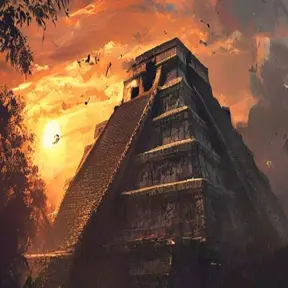
A Maya pyramid in Mexico seems to hold a snake made of shadow and a bird made of echoes. Nobody knows whether that was planned.
Earth
In 1991 a man in Vietnam found a cave by its sound. It has its own river, its own weather and its own jungle.