Earth
People Heard It 4,800 Kilometers Away and Thought It Was Cannons
In 1883 a volcano in Indonesia blew up. The bang crossed the Indian Ocean, and the pressure wave went around the world.
Earth
In 1911 an American professor was led up the mountain by a local man. The families who lived there already knew the place.
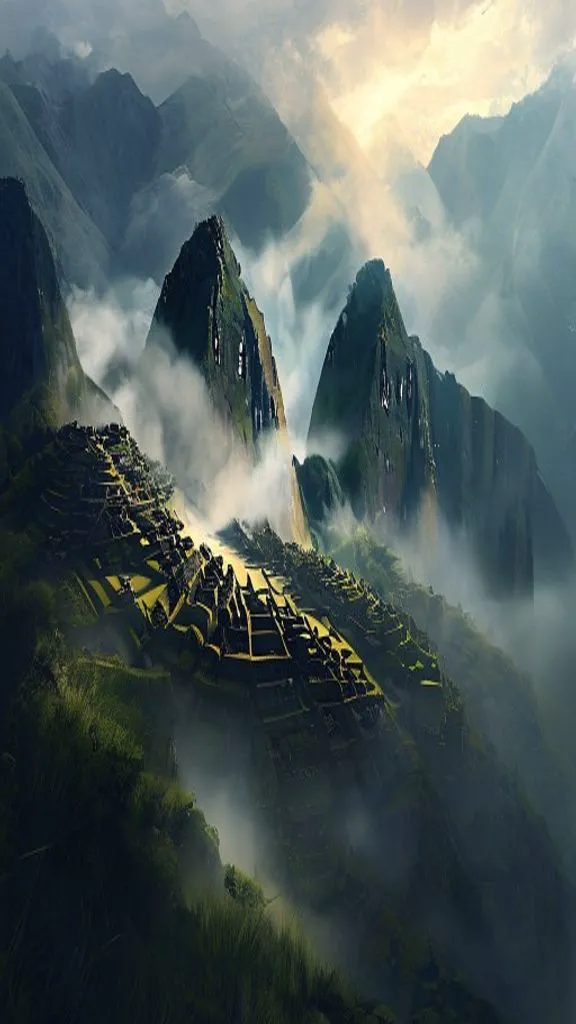
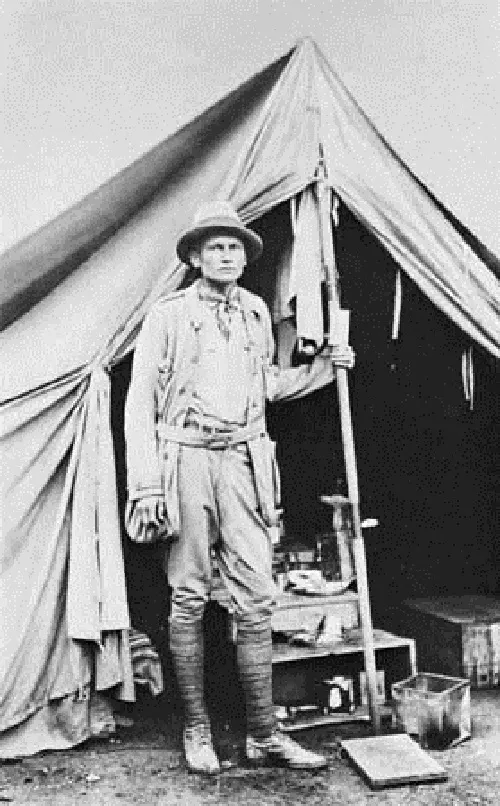
On July 24, 1911, an American named Hiram Bingham climbed a steep, muddy slope in the Peruvian mountains, and the man in front of him knew the way. His name was Melchor Arteaga, and he was a farmer who lived in the valley below.
Bingham taught at Yale University, and he was looking for the old Inca cities. He asked the people he met whether there were ruins nearby, and Arteaga said yes, he could show him. At the top of the ridge, Bingham found stone walls, terraces and stairways, half-covered in forest. Two families were living there, growing crops on the old terraces.
That's the awkward part of the "discovery." Machu Picchu was never lost. The people who lived in the area had known about it all along. Bingham came back in 1912 and 1915 to dig and map the place, but mostly what he did was tell the rest of the world, with photographs and a big magazine article a couple of years later. The world came running.
What he'd found was a royal estate built around 1450 for an Inca ruler named Pachacuti. It was probably a retreat, with temples, houses, fountains and farm terraces, where the ruler and his family could stay. A few hundred people lived and worked there. Not long after the Spanish conquered the Inca, the place was left empty, and the Spanish themselves never seem to have found it, which may be why it survived in such good shape.
The walls are why people still talk about it. The Inca cut the stones so exactly that they fit together without mortar, with joints so tight that, as the saying goes, you can't slide a knife blade between them. The doors and windows are wider at the bottom than at the top, and the walls lean slightly inward. The whole thing sits on hundreds of layers of gravel and rock that let rainwater drain away. Peru shakes with earthquakes often. Buildings that were made like this tend to wobble a little and settle back, instead of cracking.
People like to say the stones "dance" in an earthquake and then fall back into place. That's a nice way to put it, but it's an old image, and nobody has filmed it. The fact that so many walls are still standing, after more than five centuries, is the real evidence.
Bingham also took things home. He shipped thousands of objects, pots, bones, tools, to Yale, to study them. Peru asked for them back for years, and after a long argument, Yale agreed to return them, and most were sent back around 2011 and 2012.
Bingham is the name in the history books. The man who showed him the way was a farmer called Arteaga.
Earth
In 1883 a volcano in Indonesia blew up. The bang crossed the Indian Ocean, and the pressure wave went around the world.
Earth
A Maya pyramid in Mexico seems to hold a snake made of shadow and a bird made of echoes. Nobody knows whether that was planned.
Earth
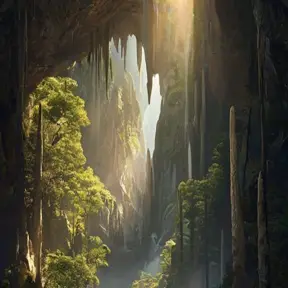
In 1991 a man in Vietnam found a cave by its sound. It has its own river, its own weather and its own jungle.
Earth
Lake Baikal is the deepest lake on Earth. It holds about a fifth of the planet's unfrozen fresh water, and a seal lives in it.