Earth
Who Found Machu Picchu? A Farmer Walked Him There
In 1911 an American professor was led up the mountain by a local man. The families who lived there already knew the place.
Earth
Lake Baikal is the deepest lake on Earth. It holds about a fifth of the planet's unfrozen fresh water, and a seal lives in it.
Seals live in the sea. Everybody knows that. So it's a surprise to find one about two thousand kilometers from the nearest ocean, in a lake deep in Siberia.
It's called the nerpa, and it lives in Lake Baikal. It's one of only a few kinds of seal in the world that live their whole lives in fresh water. The first nerpas probably came from the Arctic a very long time ago, maybe swimming up rivers during an ice age, and then got stuck when the water changed. In late winter, mother nerpas dig dens under the snow that covers the ice, and that's where the pups are born, white and fluffy, safe from the wind.
Now the lake itself. Baikal is a long curved crack in the ground, about 640 kilometers from end to end, which is farther than from London to Edinburgh. It's the deepest lake on Earth, at about 1,640 meters. Stack two of the tallest skyscrapers in the world on the bottom, one on top of the other, and the second one would only just reach the surface. It's also the oldest, around twenty-five million years or more, and a lake that old has had a long time to get strange.
It holds roughly a fifth of all the unfrozen fresh water on the planet's surface. More than three hundred rivers flow into it, but only one flows out, the Angara. Baikal alone holds about as much water as all five North American Great Lakes put together. The water is clear enough that in spring you can sometimes see down thirty or forty meters.
Then there's the life. More than a thousand kinds of animals and plants live only in Baikal, and the counts differ depending on who is counting. One of the oddest is a fish called the golomyanka. It's pale and nearly see-through, and its body is so full of oil that if you leave one in the sun it melts into a puddle. It gives birth to live young, which most fish don't. A tiny shrimp-like animal, only a few millimeters long, does most of the work of filtering the water, eating bits of algae and keeping it clean.
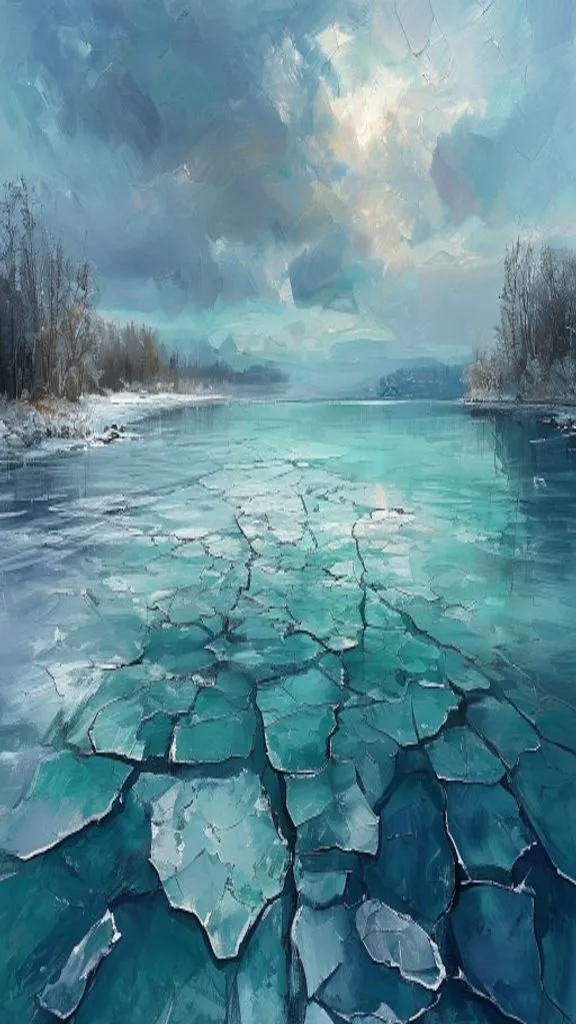
In winter, Baikal freezes over. The ice gets a meter thick or more, enough for trucks to drive across it. Parts of it are as clear as glass, and you can look down through it at cracks, bubbles and stones on the bottom. When the ice shifts, it booms and groans. People who walk on it say the lake sings.
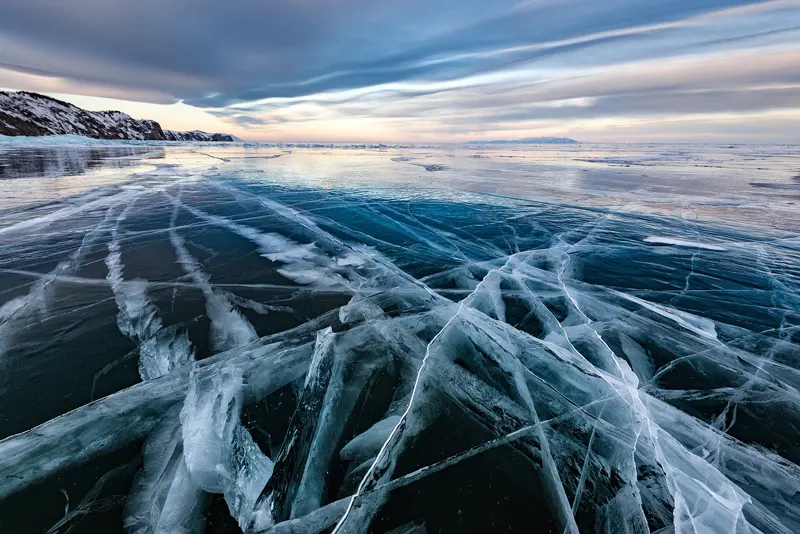
In winter, the thing to see is the ice. In summer, it's the water, and every so often a head with big dark eyes pops up near a rock, looking at you.
Earth
In 1911 an American professor was led up the mountain by a local man. The families who lived there already knew the place.
Earth
In 1883 a volcano in Indonesia blew up. The bang crossed the Indian Ocean, and the pressure wave went around the world.

Earth
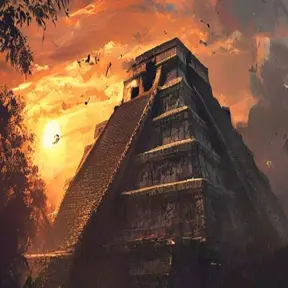
A Maya pyramid in Mexico seems to hold a snake made of shadow and a bird made of echoes. Nobody knows whether that was planned.
Earth
In 1991 a man in Vietnam found a cave by its sound. It has its own river, its own weather and its own jungle.