Earth
Who Found Machu Picchu? A Farmer Walked Him There
In 1911 an American professor was led up the mountain by a local man. The families who lived there already knew the place.
Earth
In 1883 a volcano in Indonesia blew up. The bang crossed the Indian Ocean, and the pressure wave went around the world.
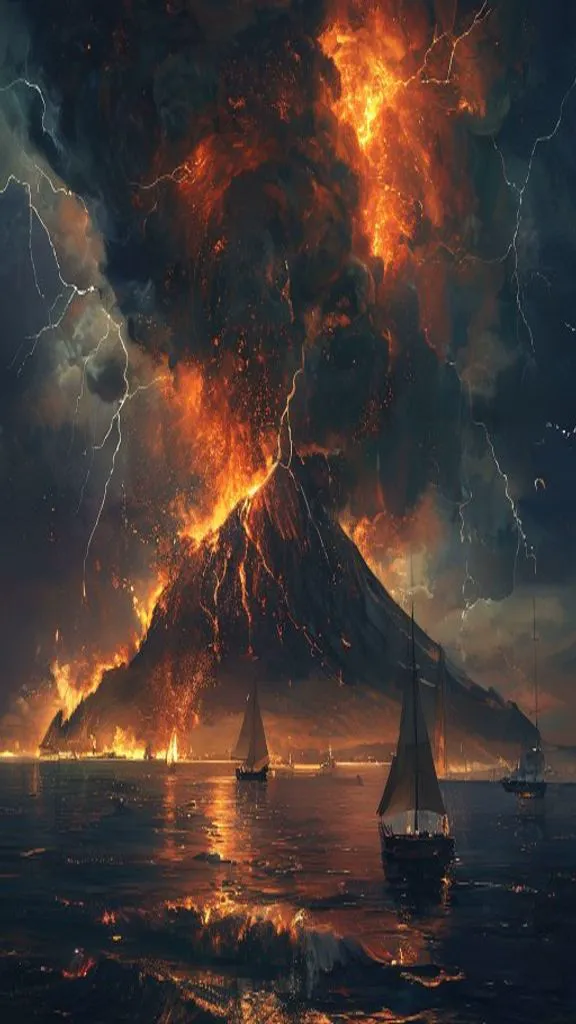
On the island of Rodrigues, far out in the Indian Ocean, people heard a noise on the morning of August 27, 1883. It sounded like heavy guns being fired far away. Somebody wrote it down in a report, and people wondered if a ship was in trouble.
There was no ship. The noise was a volcano called Krakatoa, and it was about 4,800 kilometers away, in the narrow sea between the Indonesian islands of Java and Sumatra. That's about the distance from London to Riyadh, in Saudi Arabia. People also heard it in Perth, Australia, more than 3,000 kilometers away. It's often called the loudest sound in recorded history.
For months, the volcano had been rumbling and puffing smoke. On that Monday morning it blew up in a series of explosions, the biggest at about ten in the morning. The blast threw ash and rock tens of kilometers into the sky, and most of the island collapsed into the sea. Many volcanologists explain the last explosions this way: when the roof of the volcano fell in, seawater rushed into the hot chamber below and flashed to steam.
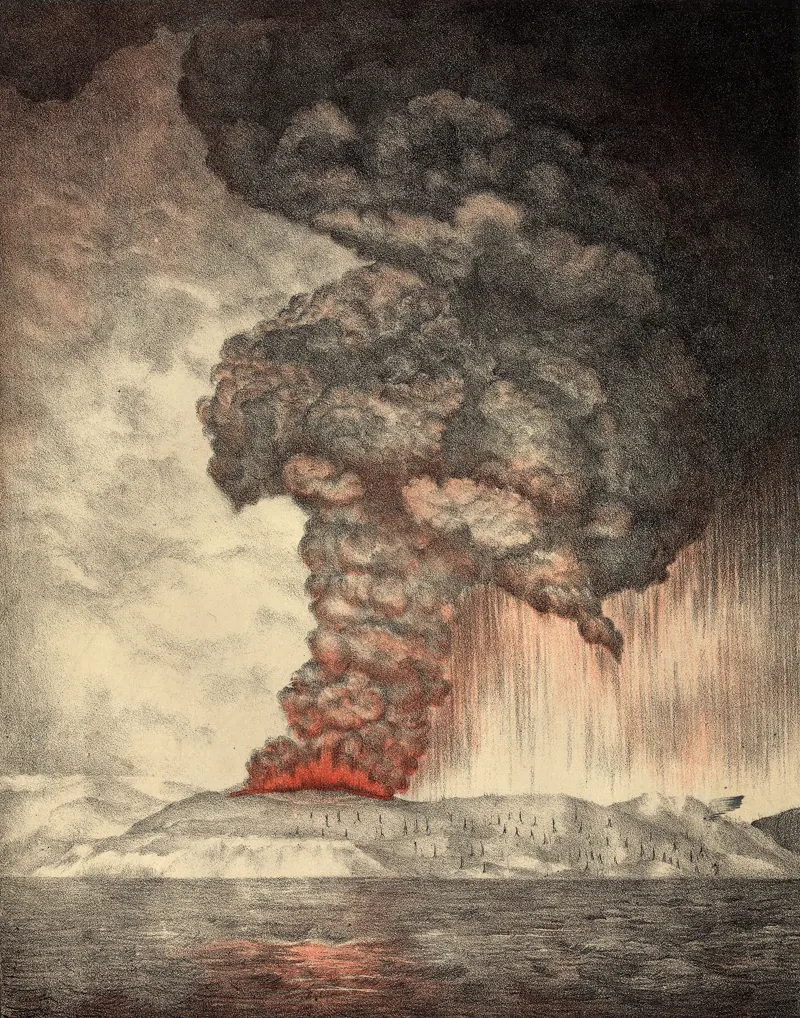
The air itself carried the bang. A wave of high pressure spread out from the volcano and kept going, and it went all the way around the Earth. Weather stations around the world had instruments that measure air pressure, and they all noticed. The wave circled the planet at least three times before it died down, and some records suggest more.
Then there was the water. The collapse and the explosions pushed up giant waves, some of them as high as a ten-story building, and they crashed into the coasts of Java and Sumatra. More than 36,000 people died, most of them from the waves and not from the ash.
The effects went on for months. The ash in the sky blocked some sunlight, and the whole world cooled a little. For a few years the sunsets were strange, deep red and purple, in places that were nowhere near Indonesia. Some people think a sky like that was what the painter Edvard Munch remembered when he made "The Scream," though that's a guess.
The news also traveled in a new way. By 1883 there were telegraph cables under the sea, so word of the disaster spread to newspapers around the world in hours, not weeks. It was one of the first events the whole world heard about at the same time.
Krakatoa isn't gone. In 1927, a new volcano began to rise from the sea in the same spot, and people named it Anak Krakatau, which means "Child of Krakatoa." It's still there, and it still erupts now and then.
Earth
In 1911 an American professor was led up the mountain by a local man. The families who lived there already knew the place.
Earth
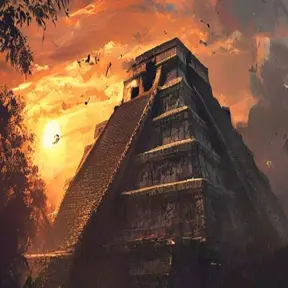
A Maya pyramid in Mexico seems to hold a snake made of shadow and a bird made of echoes. Nobody knows whether that was planned.
Earth
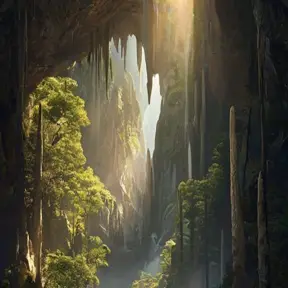
In 1991 a man in Vietnam found a cave by its sound. It has its own river, its own weather and its own jungle.
Earth
Lake Baikal is the deepest lake on Earth. It holds about a fifth of the planet's unfrozen fresh water, and a seal lives in it.