Earth
Who Found Machu Picchu? A Farmer Walked Him There
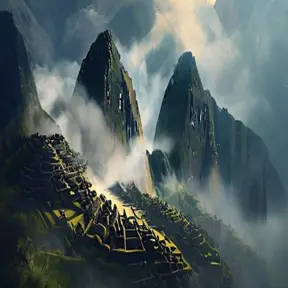
In 1911 an American professor was led up the mountain by a local man. The families who lived there already knew the place.
Earth
After rain, Bolivia's Salar de Uyuni becomes a mirror. The rest of the time, it helps check how high satellites think they are.
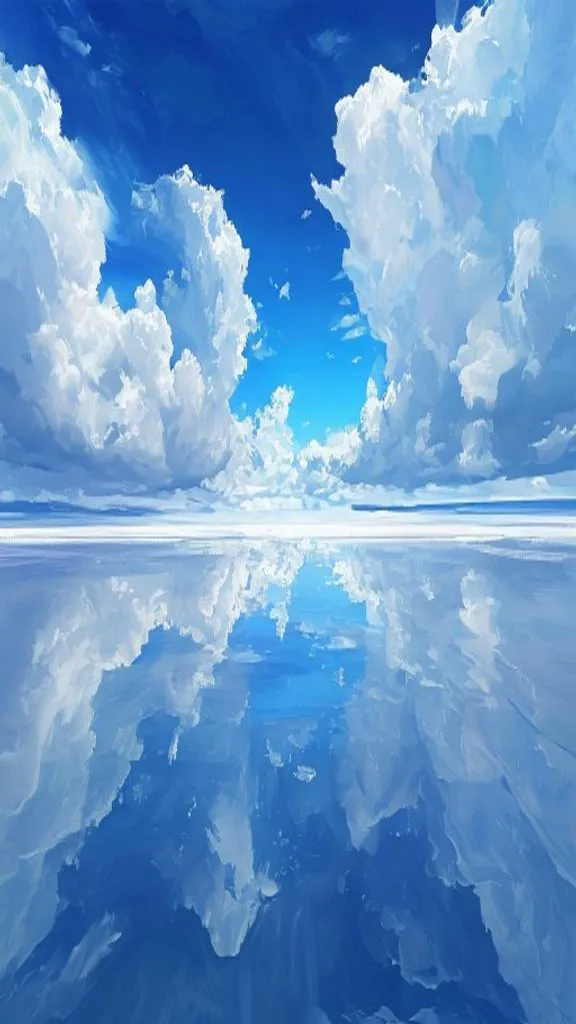
After a rain, the biggest salt flat in the world turns into the sky.
It happens in southwestern Bolivia, on a high plain called the Altiplano, in a place named Salar de Uyuni. Most of the year it's white, dry and cracked, like a plate set out in the sun. But during the wet months, a thin layer of water, only a few centimeters deep, spreads across it. Water that shallow doesn't ripple much, and under it is a floor as smooth as a table. Together they act as a mirror. Clouds appear below your feet, and so does the horizon. Visitors in jeeps seem to drive through the air.
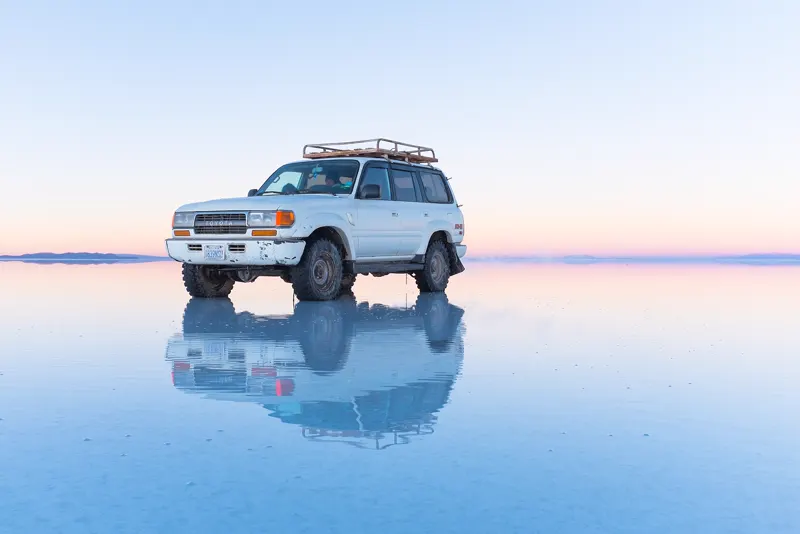
The flat covers more than 10,000 square kilometers, which is bigger than the whole island of Cyprus. It sits about 3,600 meters above sea level, almost as high as the top of Japan's Mount Fuji. Under the white crust there's roughly ten billion tons of salt, and the usual guess is that the crust is several meters thick in many places.
What makes it special is the ground itself. It's almost perfectly level. Over the whole area, the surface rises and falls by less than a meter. Satellites that measure heights from orbit use it to check that their instruments are right. If a satellite says the flat is at a certain height, scientists can compare that to the known answer. So the salar is, in a way, a ruler for the sky.
How did a flat that big get there? It's what's left of ancient lakes. Tens of thousands of years ago, a giant lake called Minchin covered this region. It dried up as the climate changed, and what stayed behind was the salt. When the brine dries in the sun, the crust cracks into neat shapes with five or six sides, and from above the whole flat looks like it's covered in honeycomb.
People have worked with the salt for centuries. Workers still dig it from the surface, pile it into little cones to dry, and truck it away as table salt. Some of the buildings here, including a hotel, have been made from blocks of salt. Out on the flat sits an island called Incahuasi, covered with giant cacti that stand taller than a person.
Underneath, there's something newer that everybody wants. The brine beneath the crust is rich in lithium, a metal used in batteries for phones and electric cars. Bolivia has some of the biggest lithium resources known. How much to dig out, who gets to do it, and what it would do to such a strange place, are questions that are still being argued.
When the water dries, the sky goes away. What's left is white, cracked and hard as a plate.
Earth
In 1911 an American professor was led up the mountain by a local man. The families who lived there already knew the place.
Earth
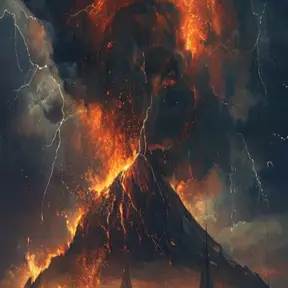
In 1883 a volcano in Indonesia blew up. The bang crossed the Indian Ocean, and the pressure wave went around the world.
Earth
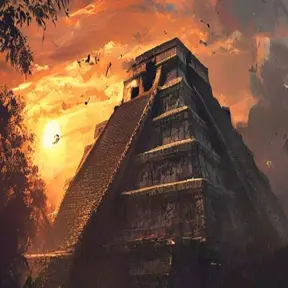
A Maya pyramid in Mexico seems to hold a snake made of shadow and a bird made of echoes. Nobody knows whether that was planned.
Earth
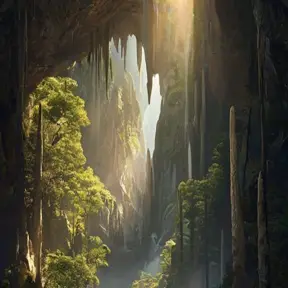
In 1991 a man in Vietnam found a cave by its sound. It has its own river, its own weather and its own jungle.