Earth
Who Found Machu Picchu? A Farmer Walked Him There
In 1911 an American professor was led up the mountain by a local man. The families who lived there already knew the place.

Earth
A Soviet drill went 12 kilometers into the ground in northern Russia. The rock at the bottom was far warmer than anyone predicted.
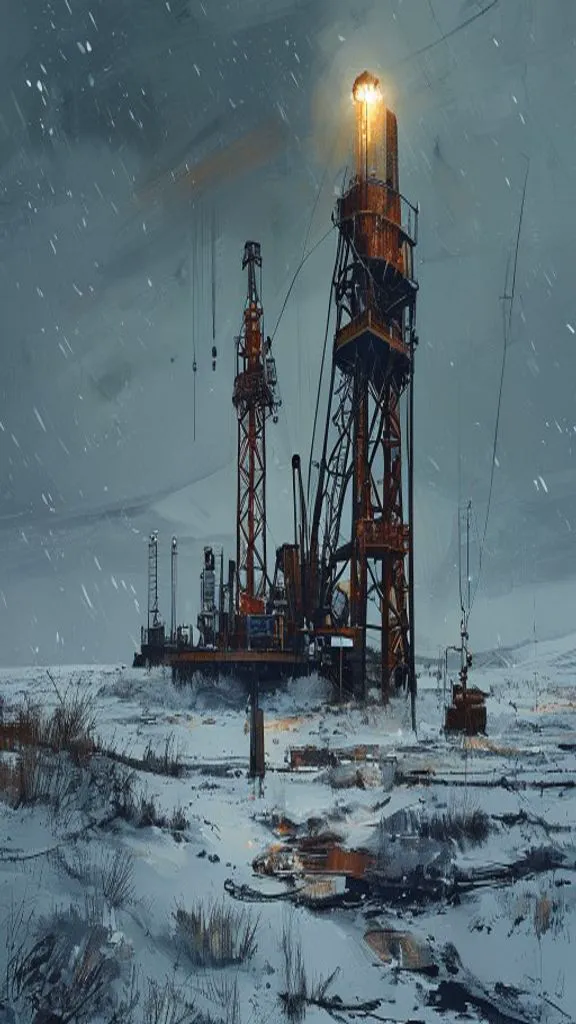
The drill didn't break down because the machine was bad. It stopped because the ground got too hot.
This was the Kola Superdeep Borehole, in the far northwest of Russia, near the border with Norway and Finland. Soviet scientists started digging it in 1970. They wanted to know what was under their feet, and there was only one way to find out: go and look. They kept drilling, on and off, for about twenty years. In 1989 the hole reached 12,262 meters, and it's still the deepest hole anyone has ever made.
That's deeper than the deepest spot in the ocean. It's more than three kilometers deeper than Mount Everest is tall. And it's tiny. The hole is only about 23 centimeters wide, which is not much more than a large dinner plate, so a drill going down it was like a long thin pencil being pushed into the ground.
Even so, the hole barely scratched the surface. Earth is about 6,400 kilometers deep from the surface to the center. At 12 kilometers, Kola made it about two-tenths of one percent of the way there. It was more like scratching the skin of an apple than cutting into it.
The scientists found surprises. According to reports, they'd expected the rock to change from granite to a heavier kind called basalt at a certain depth. It didn't. They kept hitting granite, and the layer they thought they'd meet wasn't where they'd thought. They also expected the rock to get a bit warmer with depth, and it did, but much more than the models said. At the bottom it was about 180 degrees Celsius, not the 100 or so they had predicted. Reports say they found water that deep too, which was not what anyone expected, because the rock was supposed to be dry.
The heat caused trouble. At that temperature, the rock began to behave less like stone and more like something soft, and the hole tried to close up behind the drill. Pieces of the drill kept getting stuck. After a series of failed attempts, drilling stopped in the early 1990s, around the time the Soviet Union itself fell apart and the money ran out.
Then there's the story about the sounds. A tale went around in 1989 that the scientists had lowered a microphone into the hole and recorded the screams of people in hell. It was a hoax. The "screams" were a sound effect taken from a horror movie, and the whole thing got passed along by newspapers and TV shows that didn't check.
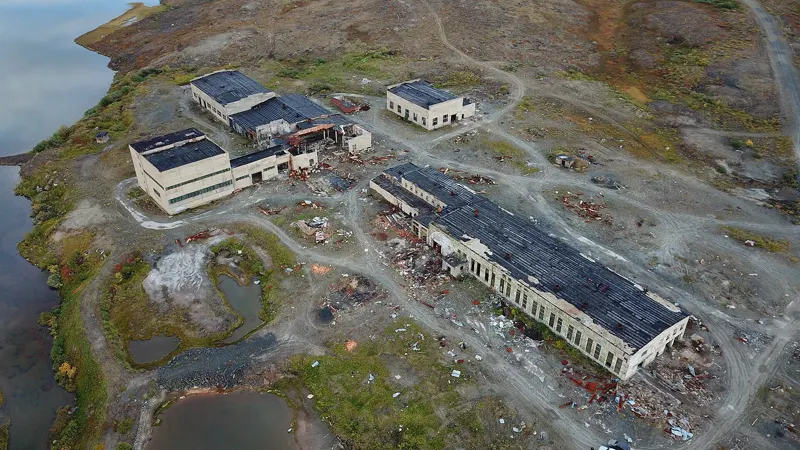
These days there's nothing much to see at the site. The hole is sealed with a rusty metal cap, bolted down, and the buildings around it are falling apart.
Earth
In 1911 an American professor was led up the mountain by a local man. The families who lived there already knew the place.
Earth
In 1883 a volcano in Indonesia blew up. The bang crossed the Indian Ocean, and the pressure wave went around the world.
Earth
A Maya pyramid in Mexico seems to hold a snake made of shadow and a bird made of echoes. Nobody knows whether that was planned.
Earth
In 1991 a man in Vietnam found a cave by its sound. It has its own river, its own weather and its own jungle.