Earth
Who Found Machu Picchu? A Farmer Walked Him There
In 1911 an American professor was led up the mountain by a local man. The families who lived there already knew the place.
Earth
Gulpiyuri is in a field in northern Spain, and the sea reaches it underground.
Something's wrong with this picture, and it takes a second to spot.
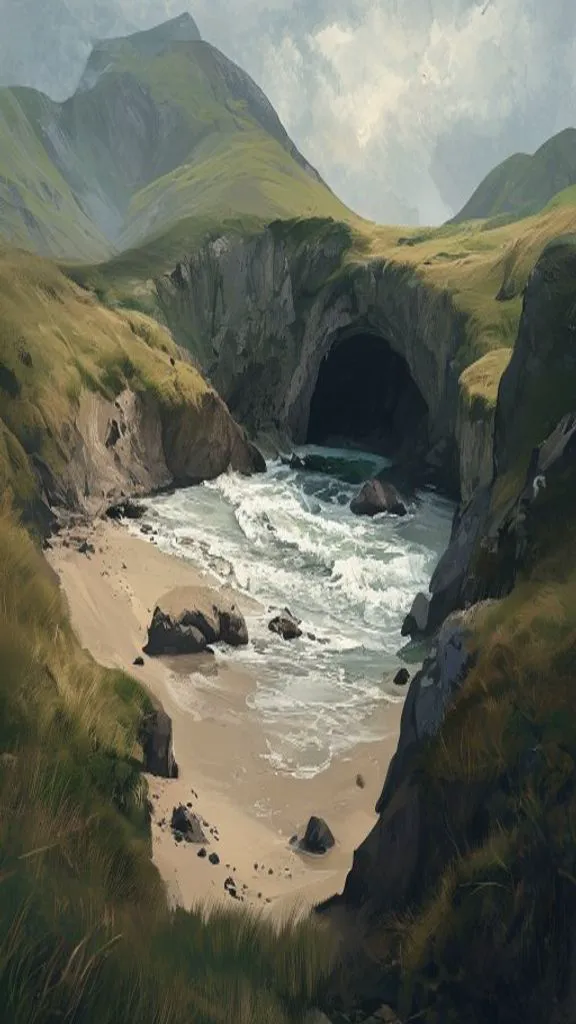
Green grass, the ordinary kind. Low hills behind. And right in the middle of the grass, a small beach, with pale sand and clear water and little waves coming in, as if the sea were just over there.
It isn't. The sea is a short walk away, on the other side of a stretch of grass and rock.
This is Gulpiyuri, in Asturias, on the north coast of Spain, near a town called Llanes. Asturias is sometimes called the Green Coast, because the hills are so green and come so close to the sea, and Gulpiyuri is one of the reasons people drive out to see it. It's very small, smaller than a football pitch, and it sits in a dip in the meadow with the grass coming right down to the edge of the sand.
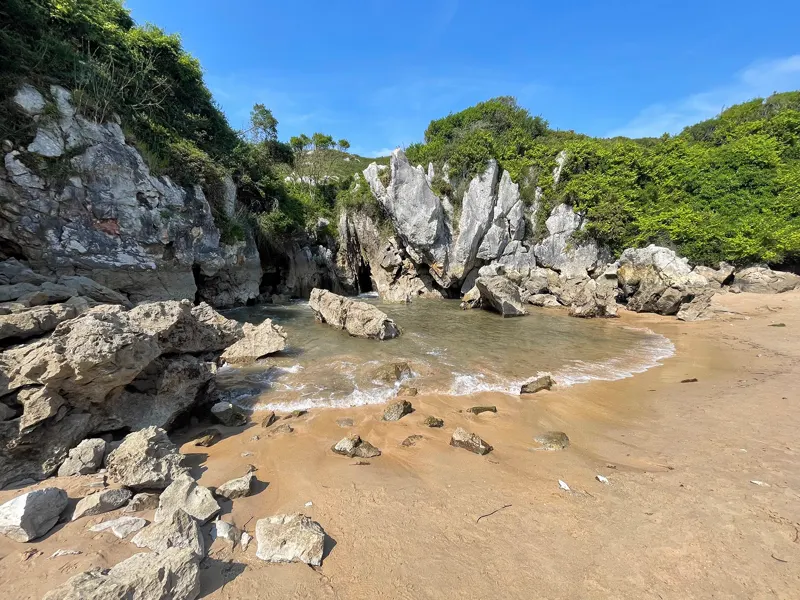
The water isn't rain, and it isn't a lake. It's sea water, and it gets there from underneath.
The coast in that part of Spain is made of limestone, and limestone slowly dissolves if water keeps working on it. Over a very long time, the sea has dug tunnels and caves into the rock, and some of them run far inland. The usual explanation for Gulpiyuri is that the roof of one cave fell in, leaving a hollow open to the sky. The tunnels from the sea still lead into it. So the sea comes in under the field, through the rock, and fills that hollow.
The tide does the rest. When the tide in the real sea rises, water is pushed up through the tunnels and fills the beach. When the tide drops, the water drains back out and more of the sand shows. Some of the sea's energy gets through as well, and the water in the hollow moves in small waves, not big ones, since the tunnels are narrow and take most of the force out of them. It's like a very long straw, and the beach is the other end.
What you'd call this kind of beach, if you were a geologist, is something like a flooded sinkhole. It's not a very beachy name, but it's still a beach. There's sand, there's water, and the tide comes in and goes out twice a day, just like it does at the real sea.
The same stretch of coast has other odd things going on. A bit farther along, there are places where the waves push air and water up through holes in the rock and spray comes out of the ground. They're called bufones in Spanish, which comes from a word that means something like "snorters," and when the sea is rough they make a deep boom you can hear from a long way off.
Earth
In 1911 an American professor was led up the mountain by a local man. The families who lived there already knew the place.
Earth
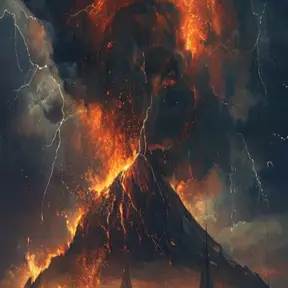
In 1883 a volcano in Indonesia blew up. The bang crossed the Indian Ocean, and the pressure wave went around the world.
Earth
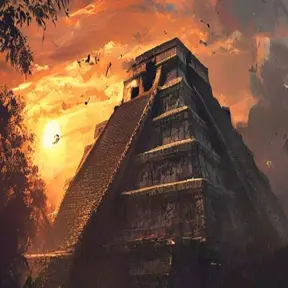
A Maya pyramid in Mexico seems to hold a snake made of shadow and a bird made of echoes. Nobody knows whether that was planned.
Earth
In 1991 a man in Vietnam found a cave by its sound. It has its own river, its own weather and its own jungle.