Earth
Who Found Machu Picchu? A Farmer Walked Him There
In 1911 an American professor was led up the mountain by a local man. The families who lived there already knew the place.
Earth
The Dead Sea is nearly ten times saltier than the ocean, and its shore drops about a meter every year.
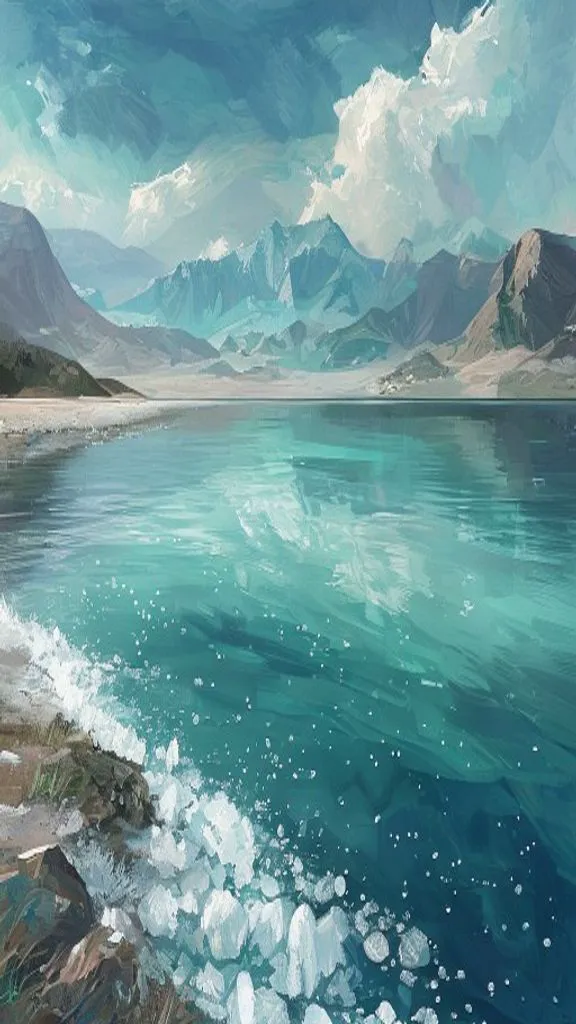
Try to push yourself under in the Dead Sea and you'll lose. It feels like holding a beach ball under water: the harder you push, the harder it pushes back.
That's why people go. They lie back with their feet and shoulders poking out of the water and read a newspaper. There's a famous photo of it, and most visitors want their own copy.
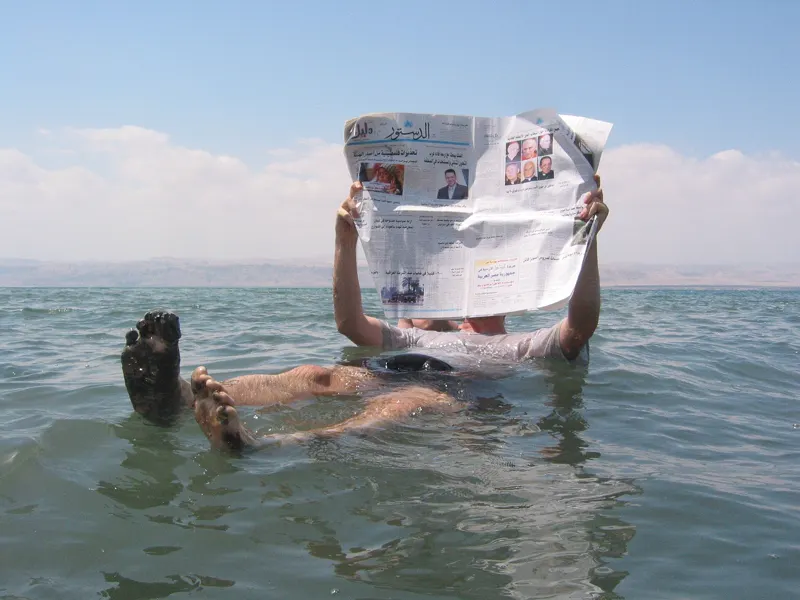
The trick is salt. The Dead Sea is nearly ten times saltier than the ocean. With that much stuff dissolved in it, the water is heavier than ordinary water, and heavier water holds you up better. A boat floats higher in the sea than in a lake for the same reason. The water feels oily on your skin, and it stings like crazy if you have a scratch. Keep it out of your eyes.
Almost nothing can live in it, which is where the name comes from. No fish, no crabs, no seaweed. A few kinds of tiny microbes get by, and that's about it.
The sea sits in a deep crack in the ground between Israel, the West Bank and Jordan, and its shore is the lowest dry land anywhere on Earth. It's more than 430 meters below sea level. Stand there and the ocean's surface would be higher above your head than the Eiffel Tower is tall.
Caves in the cliffs nearby hid something famous. In 1947, so the story goes, a young shepherd threw a stone into a cave, heard a pot crack, and went to look. Inside were clay jars full of old scrolls. They're called the Dead Sea Scrolls, and some are among the oldest copies of books from the Hebrew Bible.
The sad part is that the sea is shrinking. Its level drops about a meter every year, sometimes a little more. Most of the water that used to flow in gets taken out first. The Jordan River feeds the sea, and a lot of that river now goes to farms and taps instead. It once carried more than a billion cubic meters of water a year down to the Dead Sea. Today it's closer to a tenth of that. Factories along the shore also pump seawater into big ponds to dry out minerals like potash, and that uses water too.
You can see the damage on the ground. Old boat ramps and beach hotels now stand far from the water, at the end of a long walk down. And the ground itself is giving way. As the shore pulls back, fresh water underground dissolves layers of buried salt, and the soil above drops into the hole. Thousands of sinkholes have opened up along the shore. Some are wide enough to swallow part of a road.
Earth
In 1911 an American professor was led up the mountain by a local man. The families who lived there already knew the place.
Earth
In 1883 a volcano in Indonesia blew up. The bang crossed the Indian Ocean, and the pressure wave went around the world.
Earth
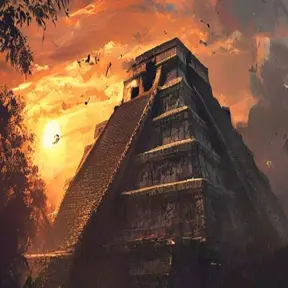
A Maya pyramid in Mexico seems to hold a snake made of shadow and a bird made of echoes. Nobody knows whether that was planned.
Earth
In 1991 a man in Vietnam found a cave by its sound. It has its own river, its own weather and its own jungle.