Why Bandung Earned the Title "Paris of Java"
Discover why Bandung is known as the "Paris of Java" and how geography, history, and culture shaped one of Indonesia's most fascinating cities.
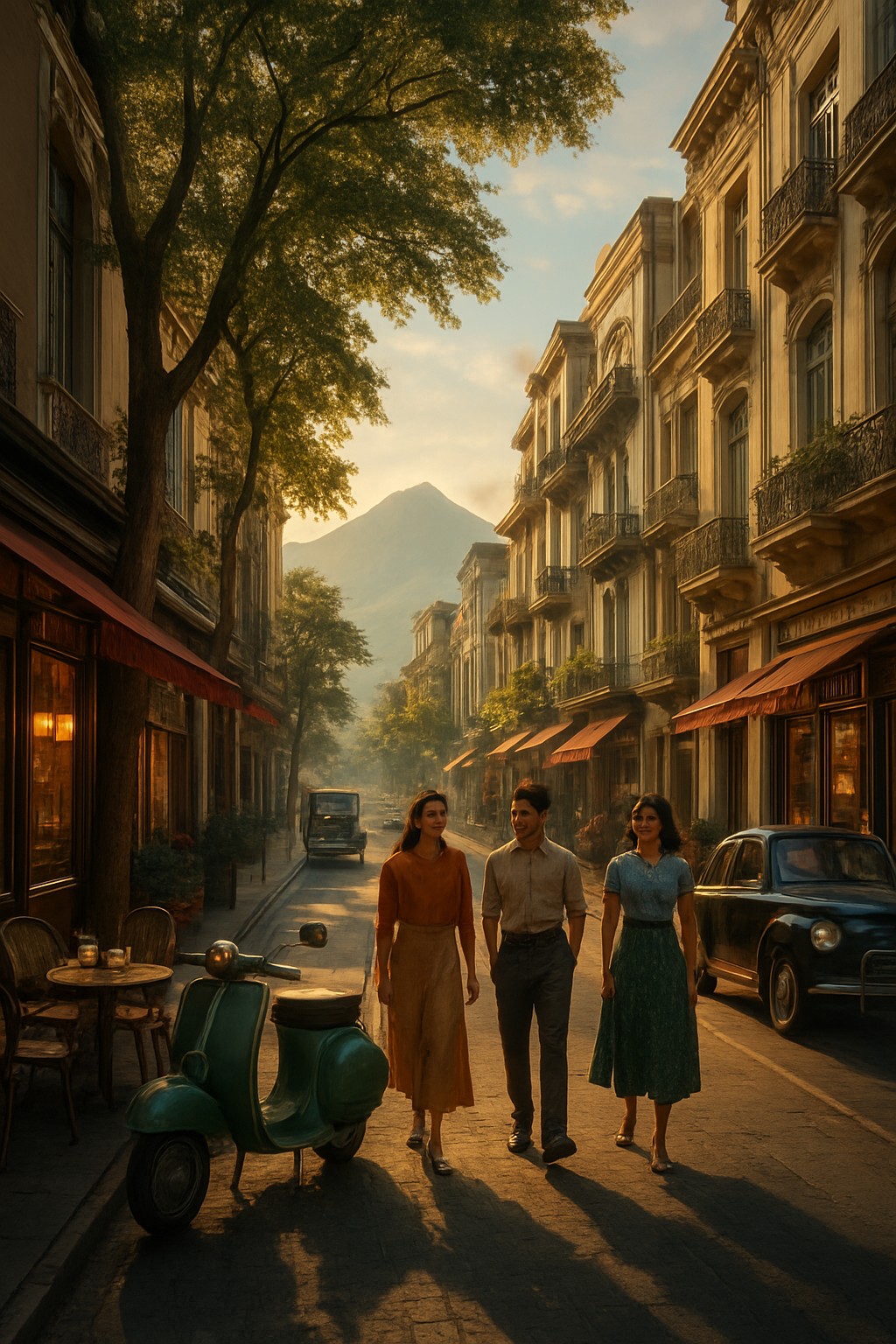

Bandung, the capital of Indonesia's West Java province, is often called the "Paris of Java." Known for its cooler climate, Art Deco architecture, and vibrant creative scene, the city offers an interesting example of how geography and history work together to shape urban identity.
How Bandung Became the Paris of Java
Long before Bandung became one of Indonesia's most visited cities, it earned a nickname that continues to spark curiosity today: the "Paris of Java." During the early 20th century, Dutch colonial planners transformed Bandung into a fashionable retreat known for its elegant Art Deco architecture, tree-lined streets, and thriving social scene. European visitors drew comparisons to Paris, seeing in Bandung a city that blended sophistication with creativity. Yet the nickname reflects more than appearance. Over time, Bandung developed its own identity through local culture, innovation, and artistic expression. Today, the city remains famous for its cafés, design communities, and vibrant atmosphere, proving that places often gain their character through a combination of history, culture, and the people who shape them.
The Geography Behind Bandung's Growth
Bandung's story cannot be separated from its geography. Nestled within a basin surrounded by volcanic mountains in West Java, the city sits at an elevation of around 768 meters (2,520 feet) above sea level. This higher altitude creates cooler temperatures than many other Indonesian cities, making Bandung a more comfortable place to live and visit. The surrounding volcanic landscape has also played an important role in the region's development. Fertile soils support agriculture in nearby areas, while the city's location helped establish it as an important center for education, commerce, and transportation. Bandung reminds us that geography is not just about maps and landforms—it actively influences how cities grow, how communities develop, and how people experience everyday life.
Why This Geography Fact Matters
The nickname "Paris of Java" offers more than an interesting travel fact. It reveals how geography and human history work together to shape the identity of a place. Climate, landscape, architecture, migration, and cultural exchange all leave lasting marks on cities, influencing how they are perceived both by residents and the wider world. Bandung provides a powerful example of this connection. Its cooler highland setting attracted settlement and development, while historical influences helped define its distinctive character. By exploring stories like Bandung's, geography becomes more than the study of locations—it becomes a way to understand why places are unique and how the relationship between people and their environment shapes the world around us.
What this teaches us about geography
Antropeo transforms geography facts into interactive discoveries, helping players explore the world through games, stories, and visual learning.