Earth
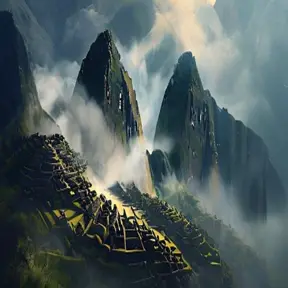
Who Found Machu Picchu? A Farmer Walked Him There
In 1911 an American professor was led up the mountain by a local man. The families who lived there already knew the place.
Earth
Stretching more than 200 kilometers into Norway's rugged landscape, Sognefjord is a place of towering cliffs, ancient glaciers, and centuries of human history. Discover why this remarkable fjord continues to captivate visitors from around the world.
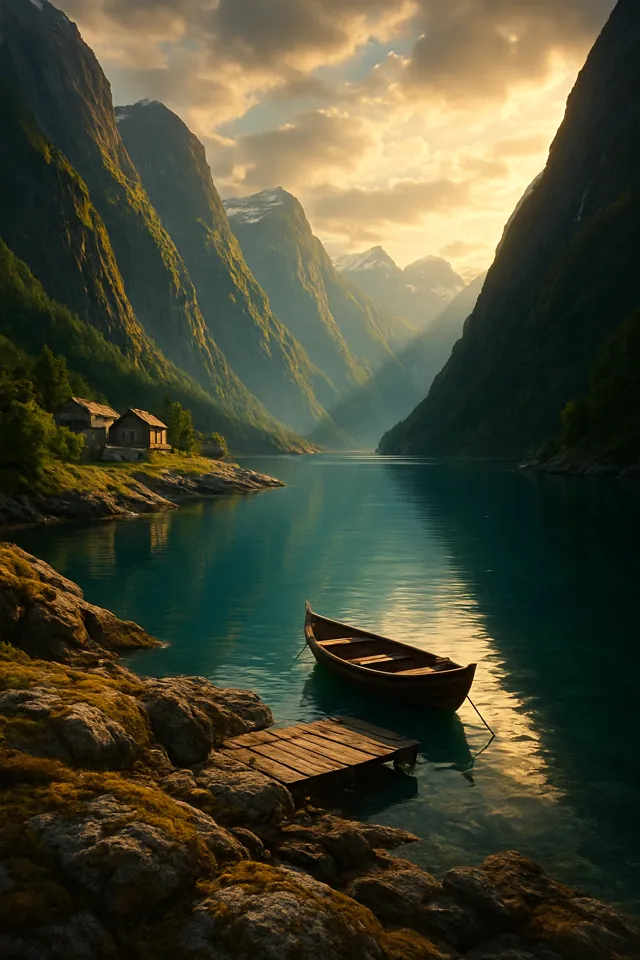
Deep in western Norway, Sognefjord cuts through the landscape like a river carved by giants. Stretching approximately 204 kilometers inland and reaching depths of more than 1,300 meters, it is both Norway's longest and deepest fjord. Yet statistics alone fail to capture what makes this place so remarkable.
Along its shores, small villages cling to steep mountainsides where generations have adapted to life shaped by the fjord's rhythms. Waterfalls tumble from towering cliffs, glaciers crown distant peaks, and narrow branches of the fjord reveal landscapes that seem almost untouched by time. For centuries, Sognefjord has served as a route for trade, a source of livelihood, and a symbol of Norway's dramatic natural beauty.
Today, visitors arrive seeking spectacular scenery, outdoor adventures, and a glimpse into one of Scandinavia's most iconic landscapes. Whether admired from a ferry deck, explored by kayak, or viewed from mountain viewpoints high above the water, Sognefjord offers an experience that reminds us why Norway's fjords continue to inspire awe around the world.
The story of Sognefjord began long before humans settled along its shores. During successive Ice Ages, enormous glaciers slowly advanced across the Norwegian landscape, carving deep valleys through solid rock over thousands of years. As the climate warmed and the ice retreated, seawater flooded these valleys, creating the dramatic fjords that Norway is famous for today.
Sognefjord stands apart even among Norway's impressive fjords. Stretching approximately 204 kilometers inland from the North Sea and reaching depths exceeding 1,300 meters, it is both the country's longest and deepest fjord. Towering mountains rise sharply from the water's edge, creating breathtaking scenery that highlights the immense power of natural forces.
The fjord is also home to several branches, including the spectacular Nærøyfjord, a UNESCO World Heritage Site celebrated for its narrow passages and striking landscapes. Throughout the region, visitors encounter waterfalls plunging down steep cliffs and glaciers resting high above the fjord, offering a glimpse into the geological processes that shaped this extraordinary environment.
Sognefjord is more than a scenic destination; it is a reminder of the immense timescales over which Earth's landscapes are formed and transformed.
For centuries, the communities surrounding Sognefjord have adapted to life in one of Norway's most dramatic landscapes. Small villages such as Balestrand, Flåm, and Solvorn developed along the fjord's shores, where access to waterways often provided the easiest means of transportation and trade.
The fjord has long supported local livelihoods through fishing, farming, and commerce. Despite the steep terrain, residents cultivated fruit orchards that continue to thrive today, producing apples, cherries, and plums that benefit from the region's unique microclimate. Traditional Norwegian architecture, including historic stave churches, reflects the area's rich cultural heritage and enduring connection to the surrounding environment.
Although modern infrastructure has improved accessibility, daily life in the region remains closely linked to the fjord. Ferries continue to connect communities, while local traditions celebrate both the natural beauty and historical significance of this remarkable setting.
The relationship between people and Sognefjord demonstrates how communities can adapt and flourish even within challenging landscapes, creating a distinctive culture shaped by generations of experience and resilience.
Today, Sognefjord attracts travelers from around the world seeking to experience one of Scandinavia's most spectacular natural destinations. Whether exploring the fjord by cruise boat, kayaking through its calm waters, or hiking the surrounding mountains, visitors encounter landscapes that leave lasting impressions.
One of the region's greatest strengths is the variety of experiences it offers. Adventurous travelers can venture onto glacier hikes or cycle along scenic routes, while others prefer leisurely ferry journeys that reveal hidden villages and dramatic viewpoints inaccessible by road. The famous Flåm Railway, considered one of the world's most scenic train journeys, provides another unforgettable way to experience the area's beauty.
Beyond outdoor activities, many visitors are drawn by the sense of tranquility that defines the region. The combination of towering mountains, deep blue waters, and quiet communities creates an atmosphere that feels both timeless and restorative.
Sognefjord represents more than a destination on a map. It offers an opportunity to appreciate the extraordinary landscapes that shape Norway's identity and continue to inspire everyone fortunate enough to experience them firsthand.
Sognefjord is far more than Norway's longest and deepest fjord. It is a landscape shaped by ancient glaciers, home to communities that have adapted to its dramatic surroundings for centuries, and a destination that continues to inspire visitors from around the world. From towering mountains and cascading waterfalls to quiet villages nestled along its shores, the fjord offers a glimpse into both the power of nature and the enduring relationship between people and the environments they inhabit.
Whether admired for its breathtaking scenery, explored through outdoor adventures, or appreciated for its cultural significance, Sognefjord leaves a lasting impression on those who experience it. It stands as a reminder that some of the world's most extraordinary places are not only beautiful to behold but also tell remarkable stories about history, resilience, and the forces that have shaped our planet over thousands of years.
Earth
In 1911 an American professor was led up the mountain by a local man. The families who lived there already knew the place.
Earth
In 1883 a volcano in Indonesia blew up. The bang crossed the Indian Ocean, and the pressure wave went around the world.

Earth
A Maya pyramid in Mexico seems to hold a snake made of shadow and a bird made of echoes. Nobody knows whether that was planned.

Earth
In 1991 a man in Vietnam found a cave by its sound. It has its own river, its own weather and its own jungle.