The Serengeti Great Migration: Earth’s Greatest Wildlife Journey
Each year, over 1.5 million wildebeest, zebras, and gazelles follow ancient routes across Tanzania’s Serengeti and into Kenya’s Maasai Mara — a 300,000 km² transboundary ecosystem where rainfall, rivers, and grassland ecology converge to drive Earth’s most iconic terrestrial migration.
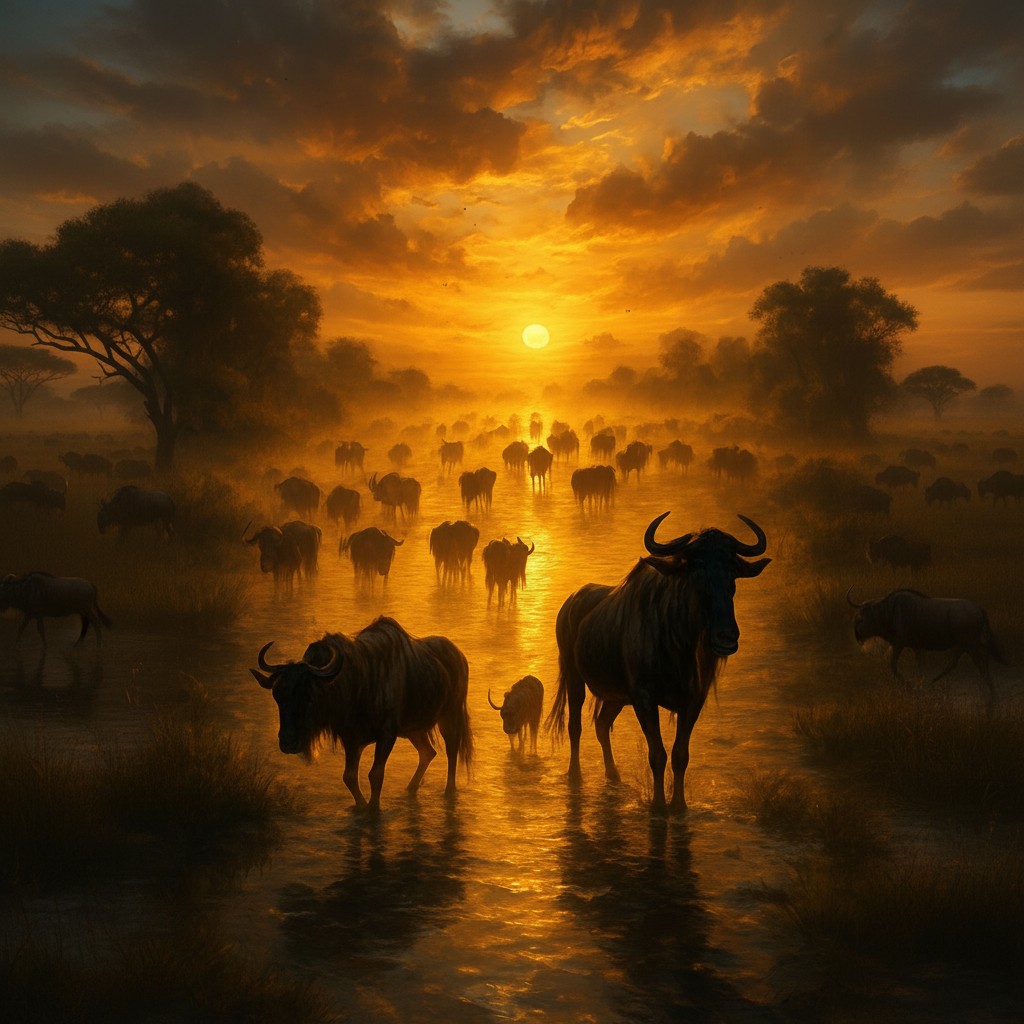
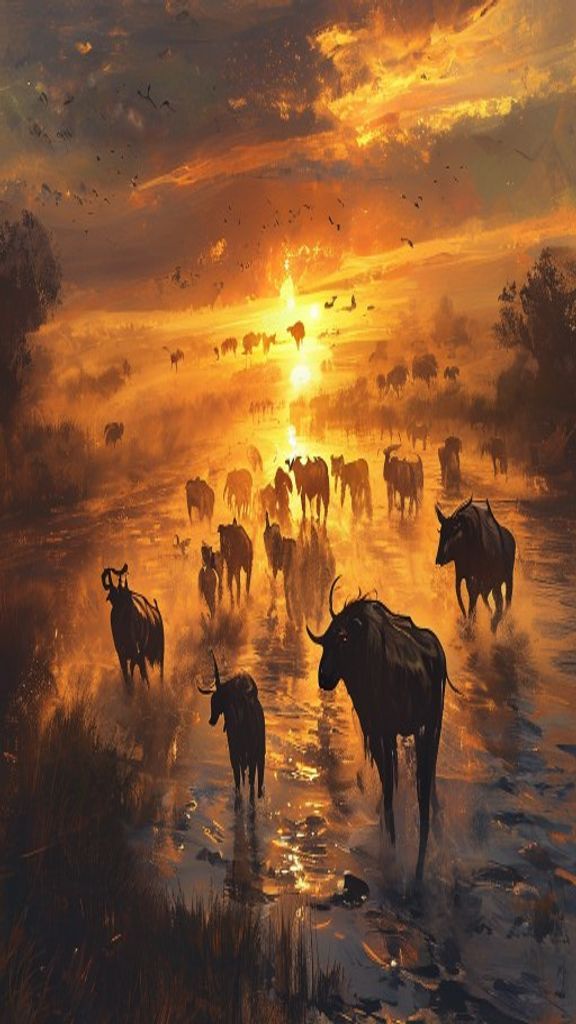
The Serengeti is one of the last places on Earth where nature still moves on a truly epic scale. Stretching across northern Tanzania and into southwestern Kenya, this vast ecosystem is home to one of the most extraordinary wildlife events ever recorded: the Great Migration. Every year, more than 1.5 million wildebeest, accompanied by hundreds of thousands of zebras and gazelles, begin a continuous journey across plains, rivers, and grasslands in search of fresh grazing land.
To witness the migration is to see geography in motion. Rainfall patterns, seasonal rivers, fertile soils, and open savannas combine to create a natural cycle that has shaped life in East Africa for thousands of years. The movement of these animals is not random; it is a response to the geography of the region and the environmental systems that sustain it.
Yet the Serengeti is more than a wildlife spectacle. It is a living example of how landscapes influence movement, survival, and the delicate balance between animals and their environment. Understanding the Serengeti means understanding the powerful relationship between geography and life itself.
A Journey Driven by Geography
The Great Migration is often described as one of the world's greatest wildlife spectacles, but at its heart lies a geographic story. The movement of more than 1.5 million wildebeest is guided by the changing seasons and the distribution of water and vegetation across the Serengeti ecosystem. As rains arrive in different regions, fresh grass emerges, creating a moving source of food that animals instinctively follow.
The Serengeti's vast open plains provide an ideal environment for this cycle. During the wet season, nutrient-rich grasses in the southern plains support the birth of hundreds of thousands of calves. As these resources are gradually exhausted and dry conditions return, the herds begin their long trek northward in search of greener pastures.
Rivers, seasonal rainfall, and soil composition all influence the migration route. Rather than following a fixed path, the animals respond to environmental conditions that can vary from year to year. This remarkable journey demonstrates how geography shapes the behavior and survival strategies of entire species across one of Africa's most iconic landscapes.
The River Crossings: Nature's Greatest Challenge
Among the most dramatic moments of the Great Migration are the river crossings. As the herds move northward, they must navigate powerful waterways such as the Mara River, where steep banks, strong currents, and waiting predators create one of the most dangerous stages of the journey.
Thousands of wildebeest often gather at the river's edge before making the crossing. The decision to enter the water can take hours, yet once a few animals commit, entire herds may surge forward. The scene is chaotic and unpredictable, with animals battling currents while attempting to reach the opposite bank.
These crossings highlight the constant struggle for survival within the Serengeti ecosystem. Crocodiles take advantage of the opportunity to hunt, while exhaustion and difficult terrain present additional risks. Despite these dangers, the migration continues because the rewards are essential: access to fresh grazing land and the resources needed to sustain millions of animals.
For scientists and geographers, the river crossings reveal how natural barriers influence movement patterns across landscapes. They demonstrate that geography is not merely a backdrop to life but an active force that shapes the behavior, success, and survival of entire populations.
Why the Serengeti Migration Matters
The Serengeti migration is far more than a remarkable wildlife event. It plays a vital role in maintaining the health and balance of one of the world's most important ecosystems. As millions of animals move across the landscape, they help distribute nutrients, shape vegetation patterns, and support a complex web of life that includes predators, scavengers, insects, and countless plant species.
This annual cycle has continued for thousands of years, making it one of the last large-scale natural migrations still functioning much as it did in the distant past. The migration provides scientists with valuable insights into ecology, animal behavior, and the relationship between wildlife and environmental change. It also supports tourism, bringing visitors from around the world and contributing significantly to local economies.
However, the future of this natural wonder is not guaranteed. Climate change, habitat fragmentation, and human development can disrupt the delicate environmental conditions that make the migration possible. Protecting the Serengeti therefore means preserving not only its wildlife but also the geographic systems that sustain one of Earth's greatest natural phenomena.
The story of the Serengeti reminds us that geography and life are inseparable. From seasonal rains to vast grasslands and challenging river crossings, every element of the landscape contributes to an extraordinary journey that continues to captivate scientists, travelers, and nature enthusiasts alike.
What this teaches us about geography
Each year, the plains of the Serengeti become the stage for one of nature's most extraordinary journeys. Guided by rainfall, shaped by geography, and driven by the search for survival, more than 1.5 million wildebeest undertake a migration unlike any other on Earth. Their movement demonstrates the powerful connection between landscapes and living organisms, revealing how environmental systems influence life on a massive scale.
The Great Migration is not only a spectacle of wildlife but also a reminder of the delicate balance that sustains our planet's ecosystems. As long as the Serengeti's grasslands, rivers, and seasonal cycles endure, this ancient journey will continue to inspire scientists, travelers, and nature lovers from around the world. It stands as one of the clearest examples of geography in action—a living testament to the enduring relationship between Earth and the creatures that call it home.