Inside the Svalbard Global Seed Vault: Humanity's Backup Plan
Hidden deep within an Arctic mountain, the Svalbard Global Seed Vault preserves millions of seeds from around the world, safeguarding the future of global food security for generations to come.
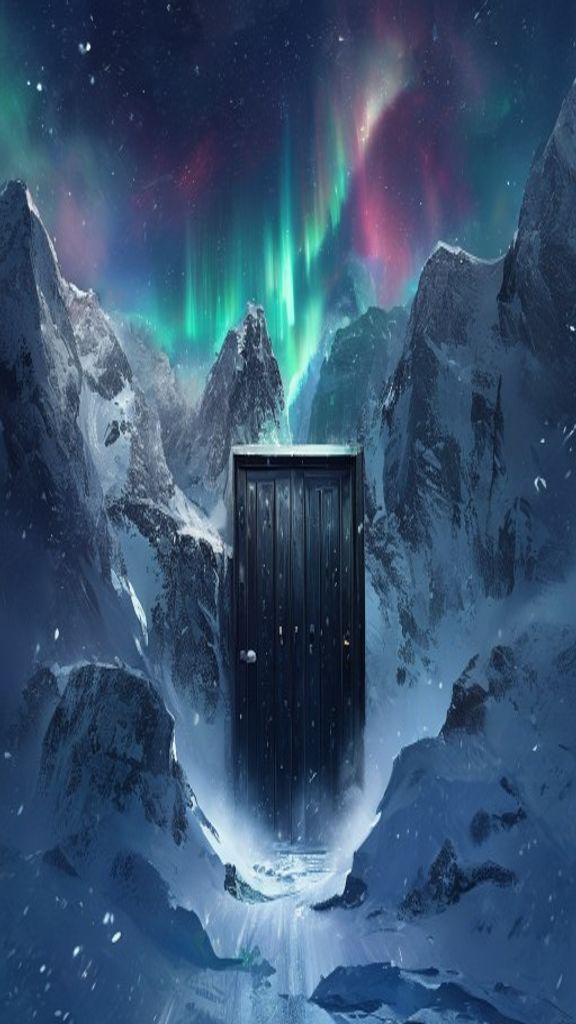
Buried deep within a sandstone mountain on Norway's remote Svalbard archipelago lies one of humanity's most extraordinary insurance policies. Behind reinforced doors and protected by Arctic permafrost, the Svalbard Global Seed Vault safeguards millions of seed samples representing thousands of crop varieties from around the world.
Often described as the world's "doomsday vault," its mission is far less dramatic and far more hopeful. The facility exists to preserve agricultural biodiversity, ensuring that future generations can recover essential food crops if they are lost through conflict, natural disasters, climate change, or other unforeseen crises.
Opened in 2008, the vault stands as a remarkable example of international cooperation and long-term thinking. In an era increasingly shaped by environmental uncertainty, this frozen repository serves as a powerful reminder that protecting humanity's future sometimes begins with preserving the smallest things on Earth.
Why Was the Seed Vault Built in Svalbard?
The choice of Svalbard was no accident. Located roughly halfway between mainland Norway and the North Pole, the Arctic archipelago provides natural conditions ideally suited for long-term seed preservation. Its remote location offers political stability and protection from many of the environmental threats faced elsewhere in the world.
The vault itself is carved more than 100 meters into a mountain near the settlement of Longyearbyen. Even without mechanical cooling systems, the surrounding permafrost helps maintain temperatures low enough to preserve seeds for extended periods. Operating at approximately -18°C, the facility creates optimal conditions for slowing the natural aging process of plant material.
Designed to withstand both natural and human-made disasters, the structure was built above sea level to reduce flood risk and engineered to remain secure under extreme conditions. Rather than serving as an isolated scientific project, the vault reflects a simple but profound idea: humanity should have a backup plan for the crops that sustain civilization.
Its Arctic setting may appear distant and inhospitable, yet that isolation is precisely what makes Svalbard one of the safest places on Earth to safeguard the foundations of global agriculture.
Protecting the World's Agricultural Diversity
Inside the vault are duplicate samples of seeds stored by gene banks from countries across the globe. These deposits include vital food crops such as wheat, rice, maize, barley, beans, and countless regional varieties that have evolved over centuries of cultivation.
Crop diversity is essential for global food security. Different varieties possess unique traits, including resistance to disease, tolerance to drought, adaptability to changing climates, and nutritional characteristics that may prove invaluable in the future. Losing this genetic diversity would significantly reduce humanity's ability to respond to agricultural challenges.
The Svalbard Global Seed Vault does not own the seeds it stores. Depositing institutions retain ownership and can withdraw their collections whenever necessary. This arrangement encourages international collaboration while ensuring that nations maintain control over their agricultural heritage.
Today, the vault contains more than a million seed samples, representing one of the most comprehensive efforts ever undertaken to preserve the biological foundations of the world's food supply.
A Symbol of Hope for Future Generations
The importance of the Svalbard Global Seed Vault extends beyond science and agriculture. It represents a commitment to future generations and an acknowledgment that preserving biodiversity requires foresight, cooperation, and responsibility.
The vault has already demonstrated its practical value. In 2015, scientists working to restore a gene bank affected by conflict in Syria successfully withdrew seed samples from Svalbard to rebuild lost collections. This marked the first time deposits had been retrieved, proving that the system functions exactly as intended.
As climate change, population growth, and environmental pressures continue to reshape global agriculture, maintaining a diverse pool of crop genetics becomes increasingly important. The solutions to tomorrow's food challenges may lie within seeds preserved today.
Far from being merely a "doomsday vault," Svalbard embodies optimism. It reflects humanity's capacity to think beyond immediate concerns and invest in the resilience of future food systems. Hidden beneath Arctic ice, millions of tiny seeds quietly carry the potential to nourish generations yet to come.
What this teaches us about geography
The Svalbard Global Seed Vault reminds us that some of humanity's most important achievements are designed not for immediate benefit, but for the protection of generations we may never meet. Deep within an Arctic mountain, millions of seeds represent knowledge accumulated through thousands of years of agriculture, adaptation, and human ingenuity.
By preserving this extraordinary diversity, the vault safeguards more than crops. It protects possibilities—the ability to recover, adapt, and continue feeding a changing world. In these carefully stored seeds lies a simple yet powerful message: preparing for the future begins with valuing what we have today.